


Fayrouz Fouad: “Hidden Worlds… Because It’s Not Just Horror, It’s Everything the Mind Fails to Explain”

Cairo – Maii Abdo:
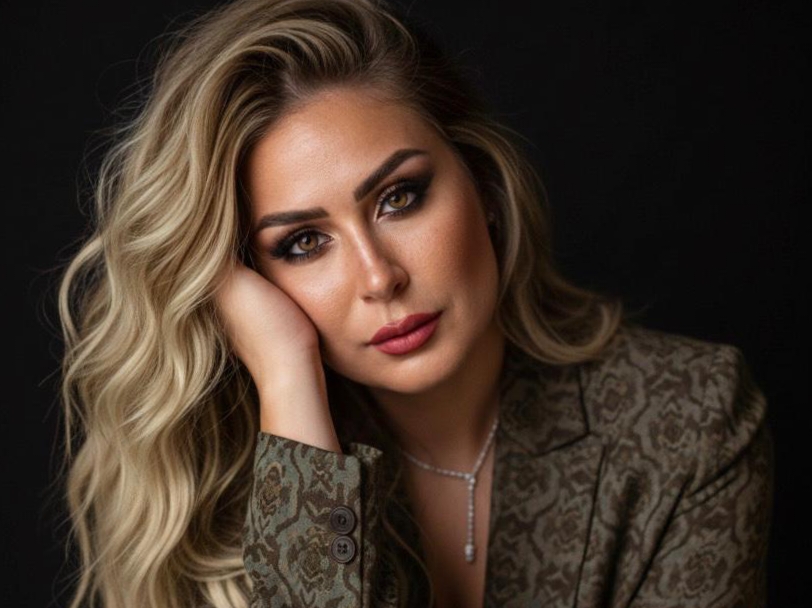
From the very first moment of meeting Fayrouz Fouad, it becomes unmistakably clear that her path into the media world was neither accidental nor a fleeting passion.
She comes from a home where journalism was not merely a profession—but the very air they breathed. Recalling her earliest memories, she says:“My father, the late Ahmed Fouad, was a journalist and head of the military department at Al-Ahram. He taught me the craft and made me fall in love with it since childhood. He even used to ask for my opinion on what he wrote.”
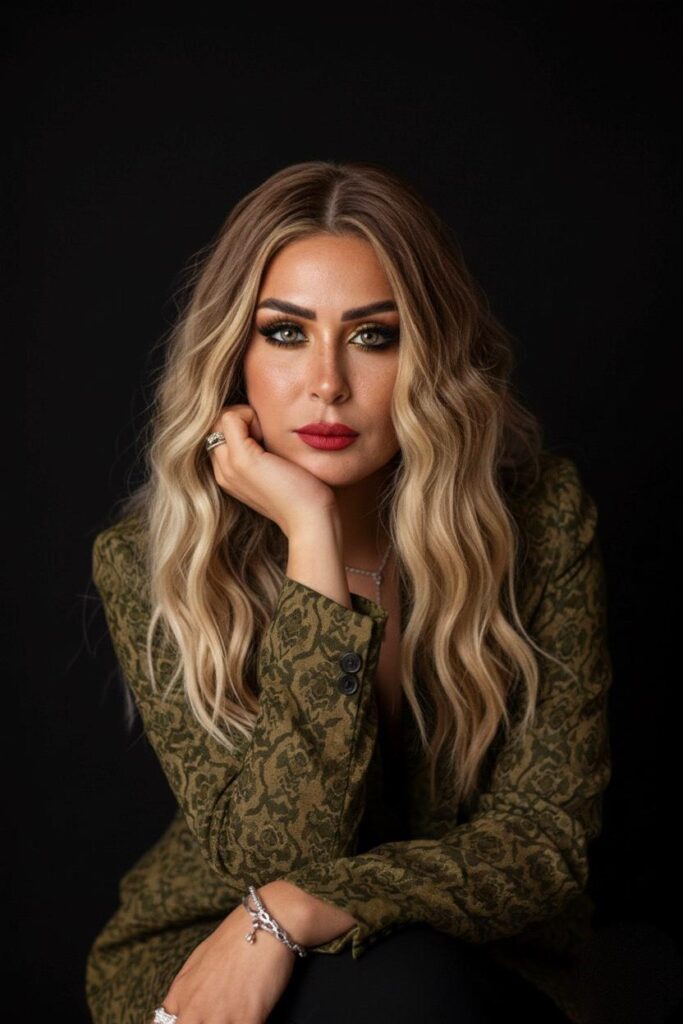
Fayrouz did not simply grow up liking media; she grew up inside a family of journalists—father, mother, and brother—making it almost inevitable that the love for the profession ran in her blood long before she fully understood it.
She laughs as she remembers a conversation with her father when she was in first preparatory grade. He asked, “What do you want to be when you grow up?”Her answer came without hesitation: “A TV presenter… and I want to host a horror show.”
The reason was simple. From the fourth grade, Fayrouz was an avid reader of horror literature, spending her pocket money on the books of Ahmed Khaled Tawfik. She admired his wit, his unique storytelling, and the mysterious worlds that shaped her imagination and personality.
Despite scoring highly in high school and being accepted into the Faculty of Urban Planning at Cairo University—a choice encouraged by her family who believed that media is a talent, while engineering guaranteed a “secure future”—Fayrouz did not surrender.“I don’t enter anything unless I’m sure I can excel at it,” she says.
And she did excel, graduating with a strong grade in her final project.Yet something inside her remained unsettled. The childhood dream kept knocking—quietly, persistently, relentlessly.In a moment of honesty with herself, she finally told her father: “I want to be a TV presenter… I can’t ignore it anymore.”She went for a camera test at ON TV with Dr. Emad Gad.
While waiting for a reply, her father suggested she apply temporarily to the Ministry of Planning. Thanks to her strong language skills, she was hired immediately.
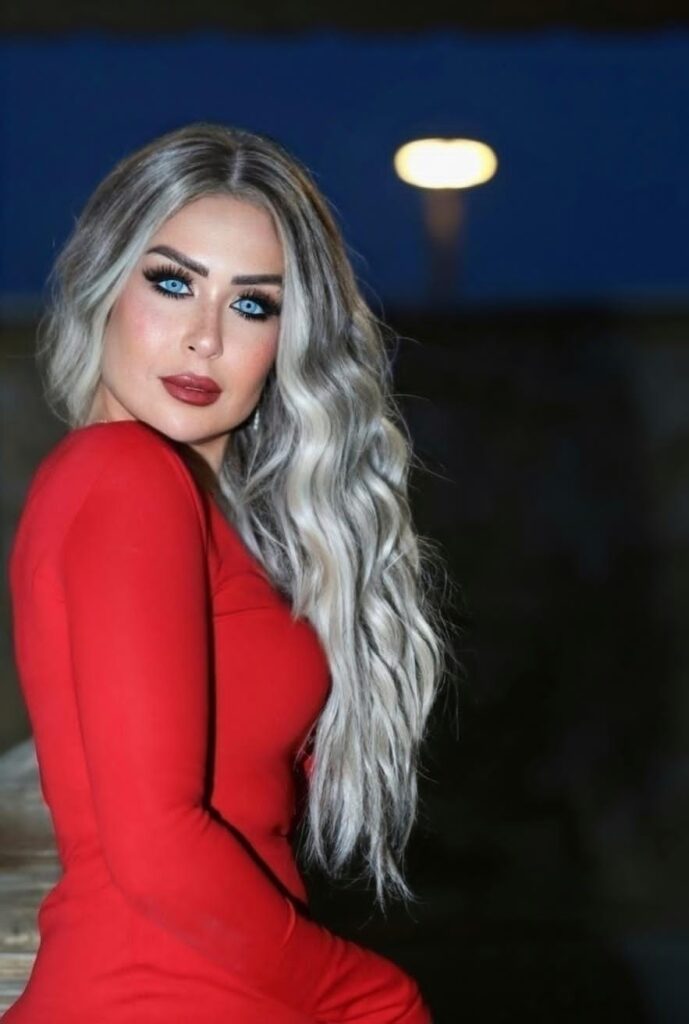
And so began her professional journey in 2008—working, marrying, raising children, fulfilling all of life’s obligations… while the dream stayed alive, unbroken.Then came the COVID-19 pandemic—bringing isolation, reflection, and a heavy grief.
Her father had passed away shortly before. In the middle of that emotional storm, an advertisement appeared for a media training course that included producing four episodes on Al-Seha Wal Gamal TV channel.
Fayrouz felt it was a hand reaching out to pull her from the darkness.She enrolled, shone, and by the end of the course, she was told: “You’re joining us on air.”
The training deeply transformed her performance. She loved preparing her episodes herself, which strengthened her connection to the craft. Her first show, Kalam Kobbar (“Grown-Up Talk”), tackled topics like divorce, bullying, and shopping addiction.
The audience’s reaction was overwhelmingly positive. She then moved to a morning show, Sabahak Rose, followed by Hekayat Banat, which focused on women’s issues.
But the true turning point came with Elly Khayef Yerouh, a program that boldly addressed sensitive topics including female genital mutilation and renewing religious discourse.
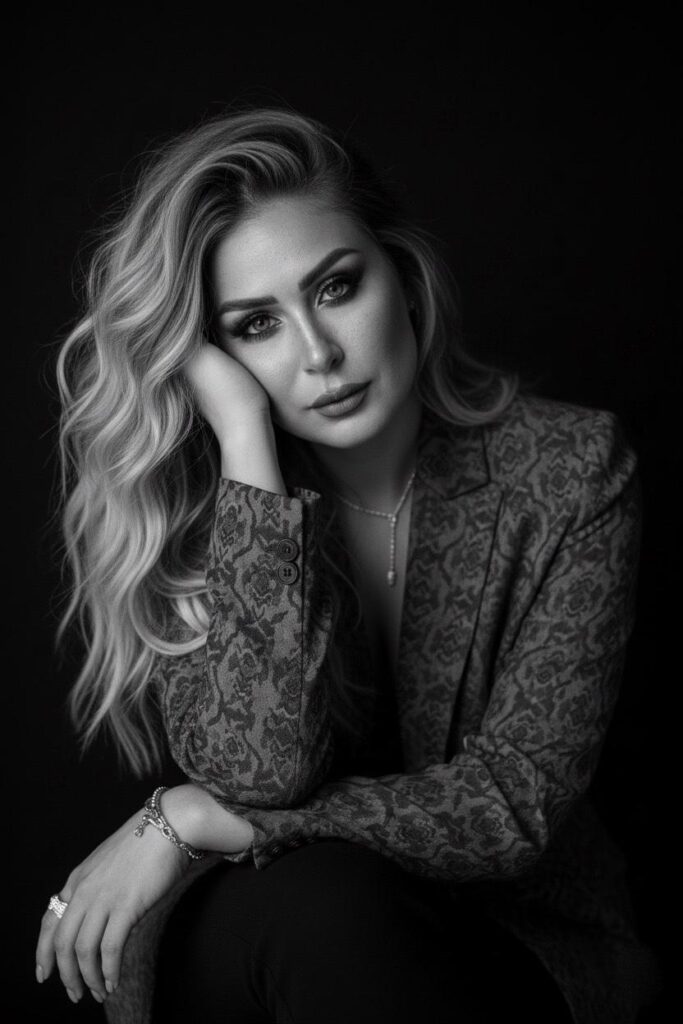
Sheikh Hassan El-Ganainy was a frequent guest and would tell her, “I love your questions.”In this phase, Fayrouz began carving a name for herself as a presenter unafraid of difficult, human-centered subjects.
She pauses, her eyes glistening, as she recalls her camera test with MBC.“I felt my father was with me… The directors and cameramen praised my performance, and the director told me it was the best camera test he had ever seen.”
For her, it was a sign—proof that her father’s spirit was still lighting her path.Later, she presented Hekawy Fayrouz (“Fayrouz’s Stories”) with TV host Mohamed Ghanem, a show that focused on trending topics. It was then she asked herself the defining question:
“Why am I only helping others build their shows? Why don’t I create something of my own?”From that moment, her dearest project—Awalem Khafeya (“Hidden Worlds”)—was born.
With her husband producing the show out of belief in her dream, Fayrouz finally created the program she had envisioned since childhood. She produced two full seasons before the show was officially adopted by Al-Hadath Al-Youm TV channel.
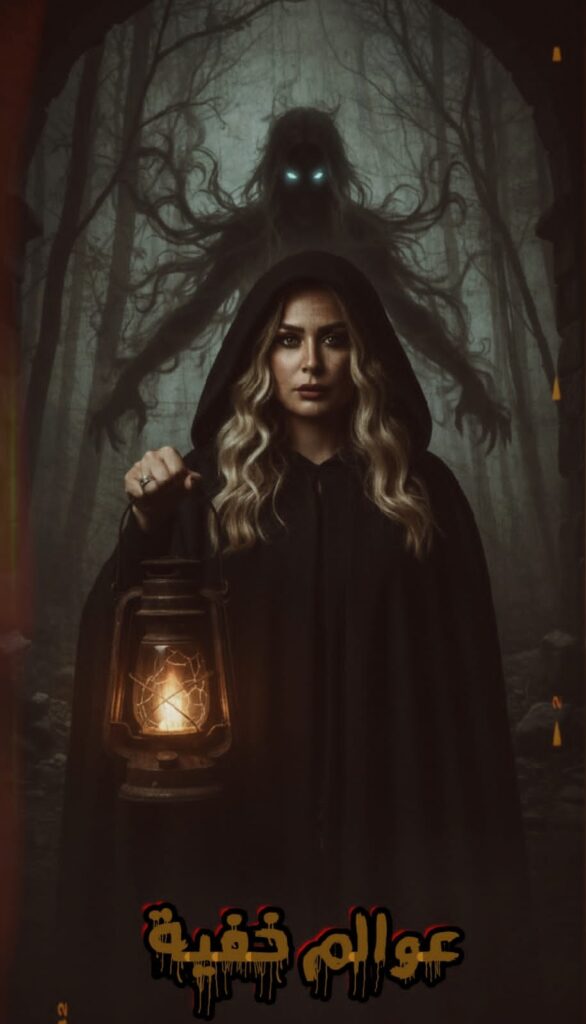
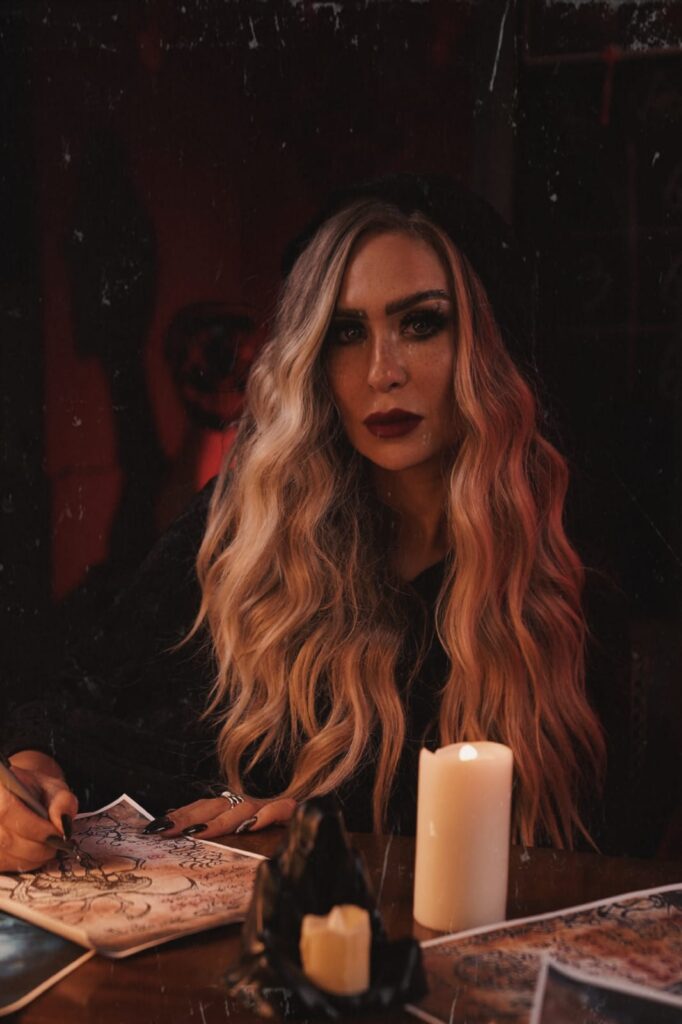
The show was named Hidden Worlds because it goes beyond horror—it explores everything beyond human perception: the Mandela Effect, the Law of Attraction, jinn stories, paranormal mysteries, and phenomena that defy logic. It is a world of what lies beyond nature… and beyond understanding.
Fayrouz openly acknowledges that her journey would have been impossible without the unwavering support of her late parents, the strength of her husband, and the pride of her children.
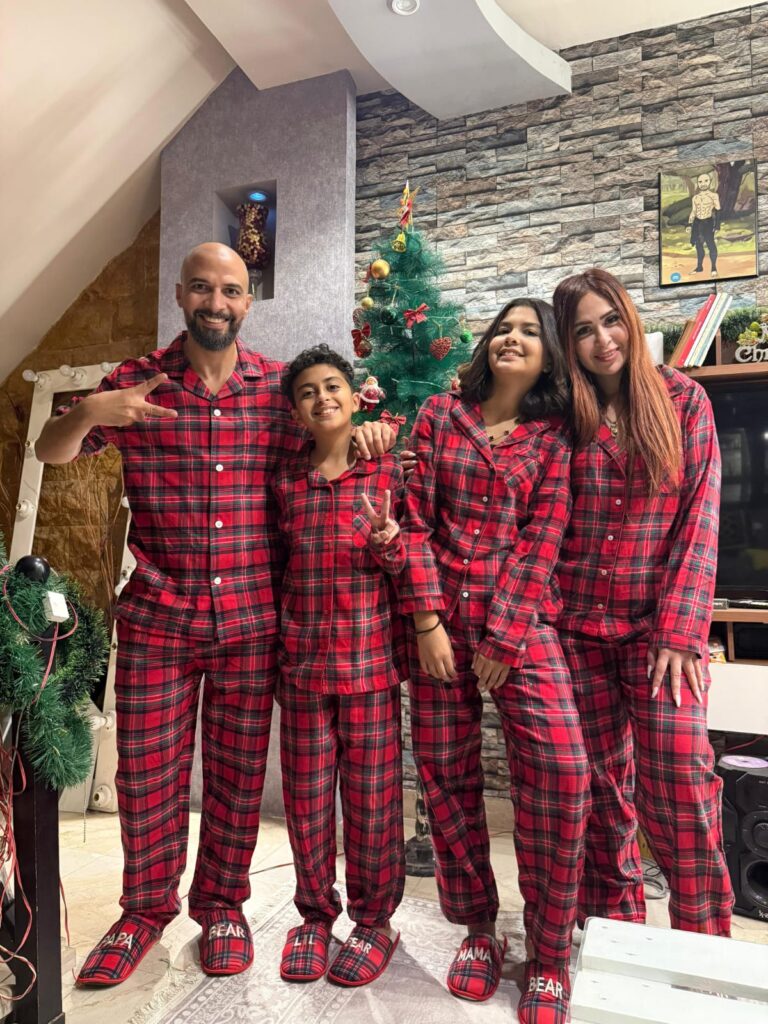
Her presence on social media has also become an integral part of her professional identity—engaging with her audience, replying to everyone with calmness and grace.
In the end, Fayrouz Fouad’s story is not just a professional path. It is a long tale of resilience—a girl who believed that no matter how long a dream is delayed, it never dies.
That every complicated road eventually opens to those who walk with passion and sincerity.It is the story of a media personality who built her own steps, remaining faithful to a childhood dream until it became her reality.
And so her journey ends just as it began: with a little girl reading supernatural stories in her school seat, becoming a woman who now presents programs that question the deepest mysteries. Her life stands as proof that self-belief is the first door to success—and that dreams may stumble, but they never disappear.

