



Cairo – Mostafa El Masry:
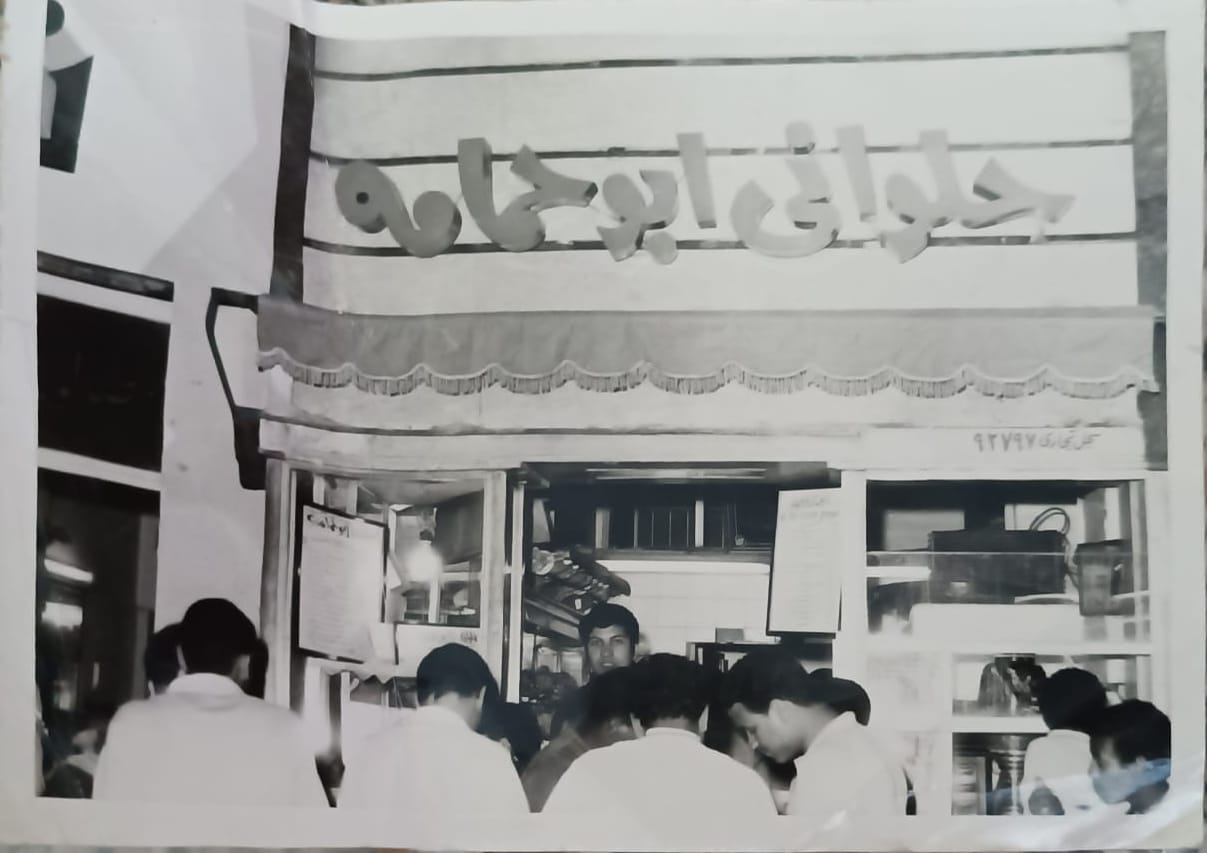
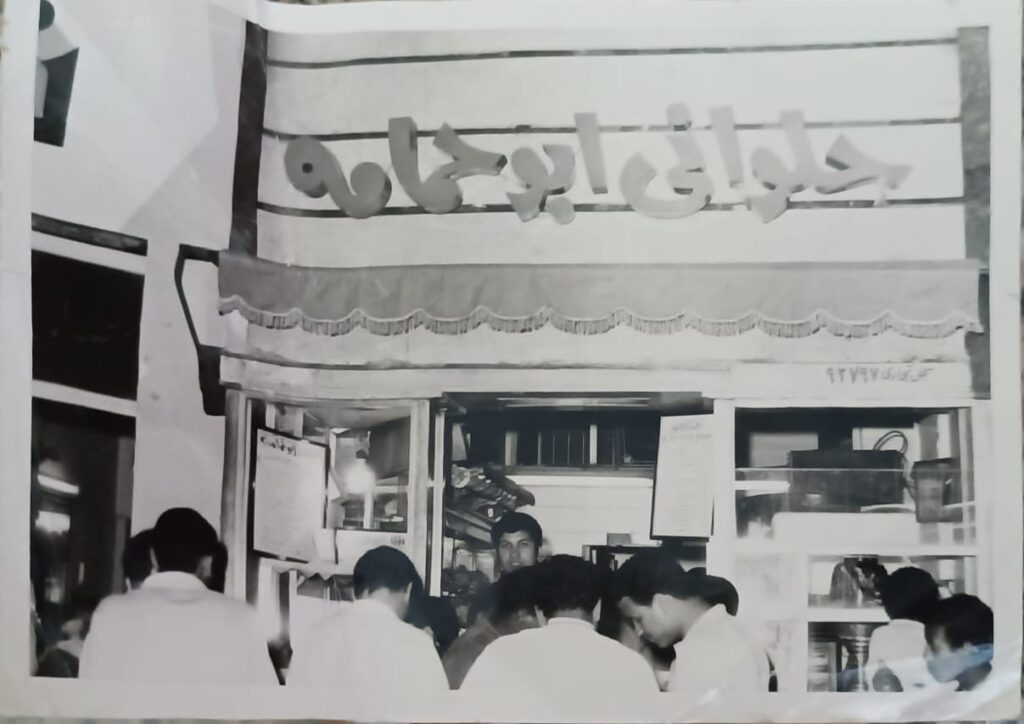
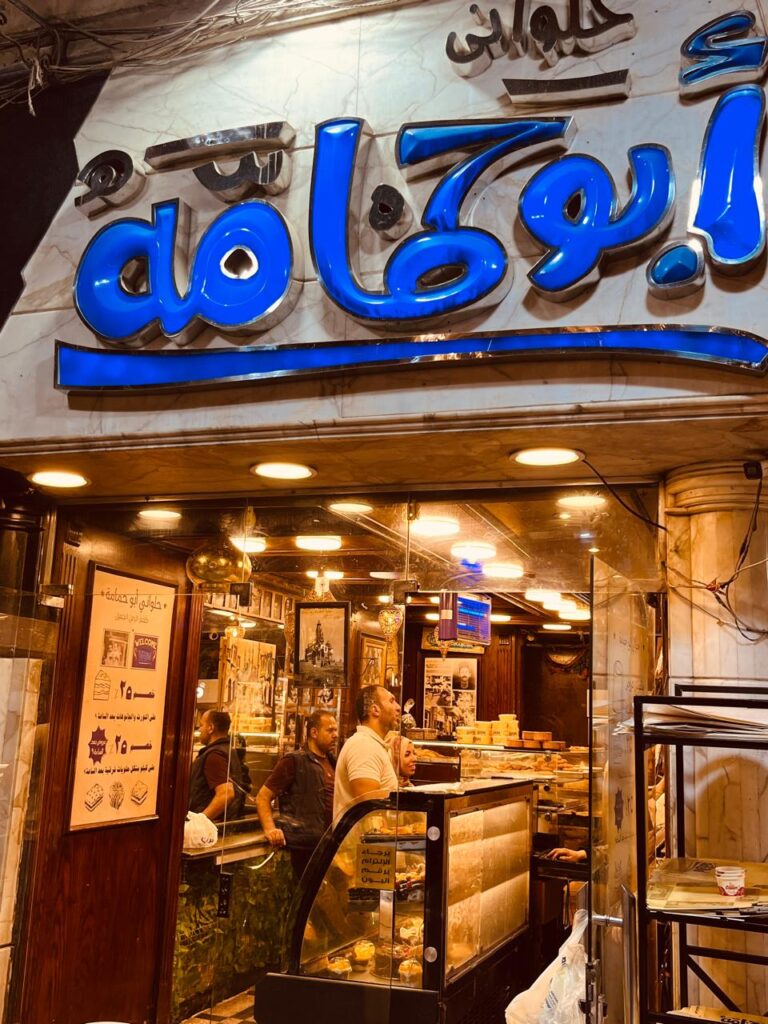
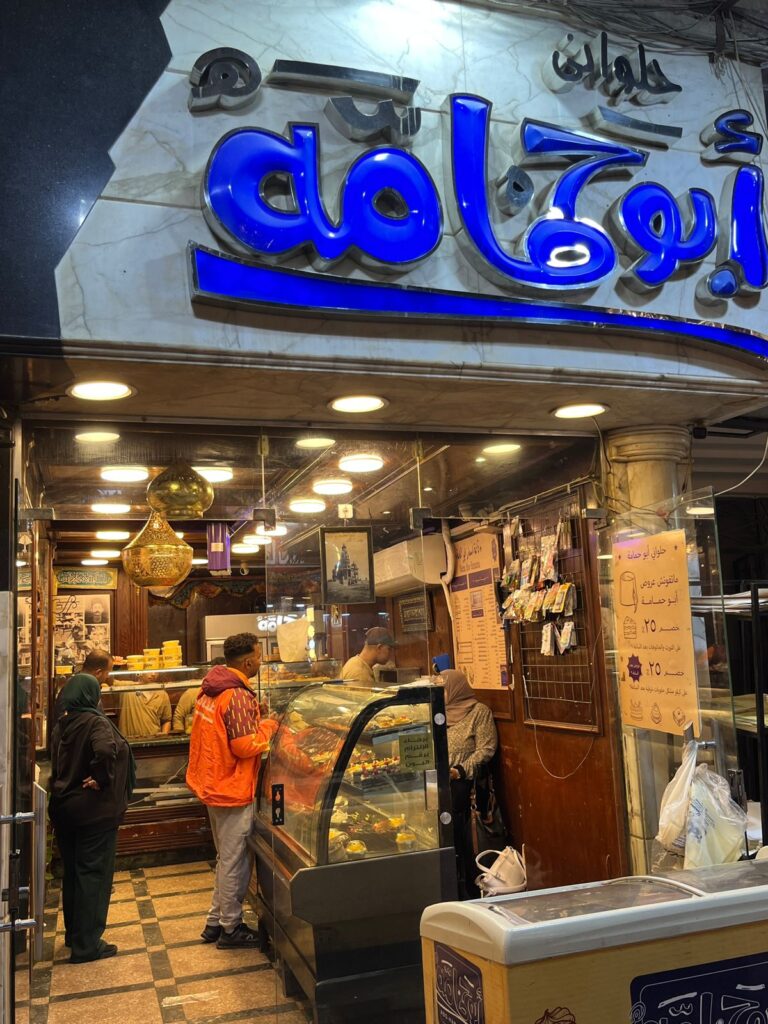
In the heart of Heliopolis, one of Cairo’s most storied districts, where streets echo with the memory of generations and architecture carries the quiet dignity of time, “Abu Hammama” stands not merely as a dessert shop, but as a living testament to heritage.
It is a place where basbousa is not just served as a sweet, but as a vessel of memory—an edible narrative of craftsmanship, continuity, and a philosophy that resists change without ever losing relevance.The story of “Abu Hammama” begins in the 1920s, rooted in humble determination rather than grand ambition.
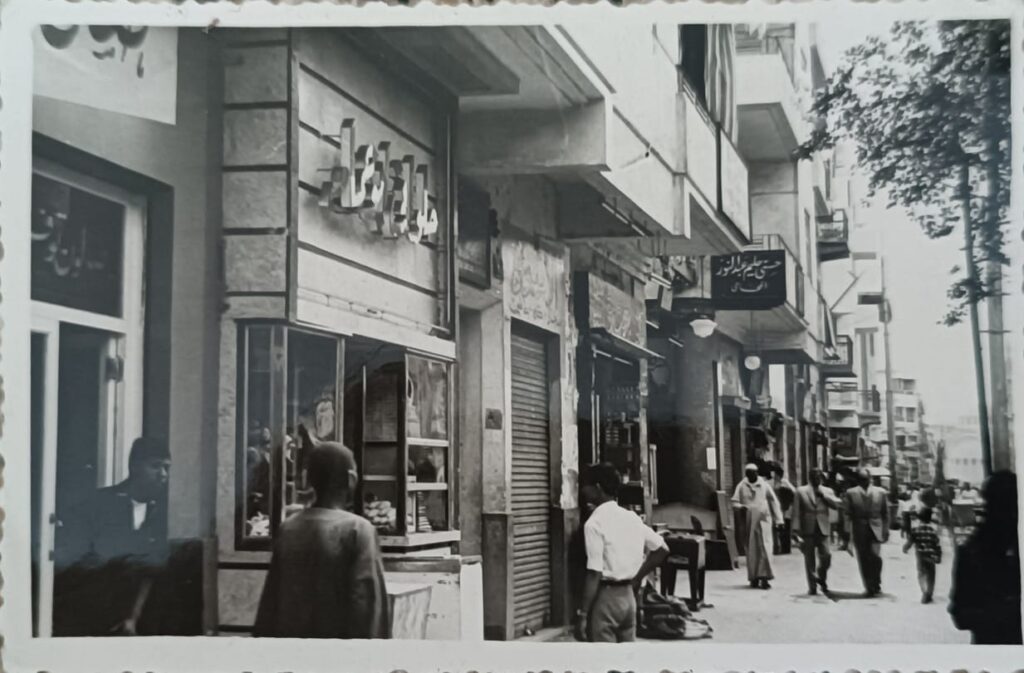
The founder started with a simple tray of basbousa, walking the streets to sell his homemade product. It was a modest beginning, yet it carried within it the seeds of a legacy. Soon after, the tray evolved into a small cart, allowing him to expand his reach and establish a daily rhythm of labor and connection with customers. As demand grew and conditions improved, the work extended into long nights, driven by a commitment to serve and perfect the craft.A defining transformation came during the 1940s, particularly in the era of King Farouk, when the business transitioned from mobility to permanence.
The establishment of a fixed shop marked a turning point, later reinforced by the socio-political shifts following the 1952 Revolution. Over the decades, “Abu Hammama” underwent four major phases of development: from tray to cart in the 1920s, to a permanent shop in the mid-20th century, followed by modernization during the relative stability of the 1970s, and finally the last significant update in the 1990s—a form that remains intact to this day, deliberately preserved as part of its identity.At the core of “Abu Hammama” lies a philosophy that transcends individuals.
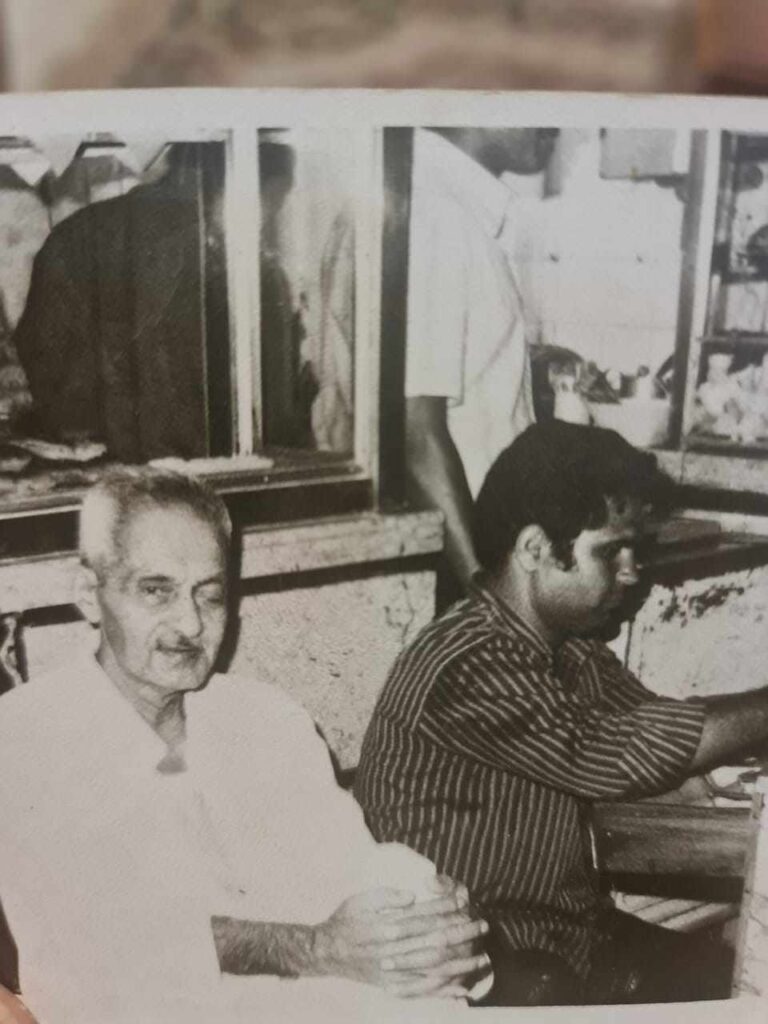
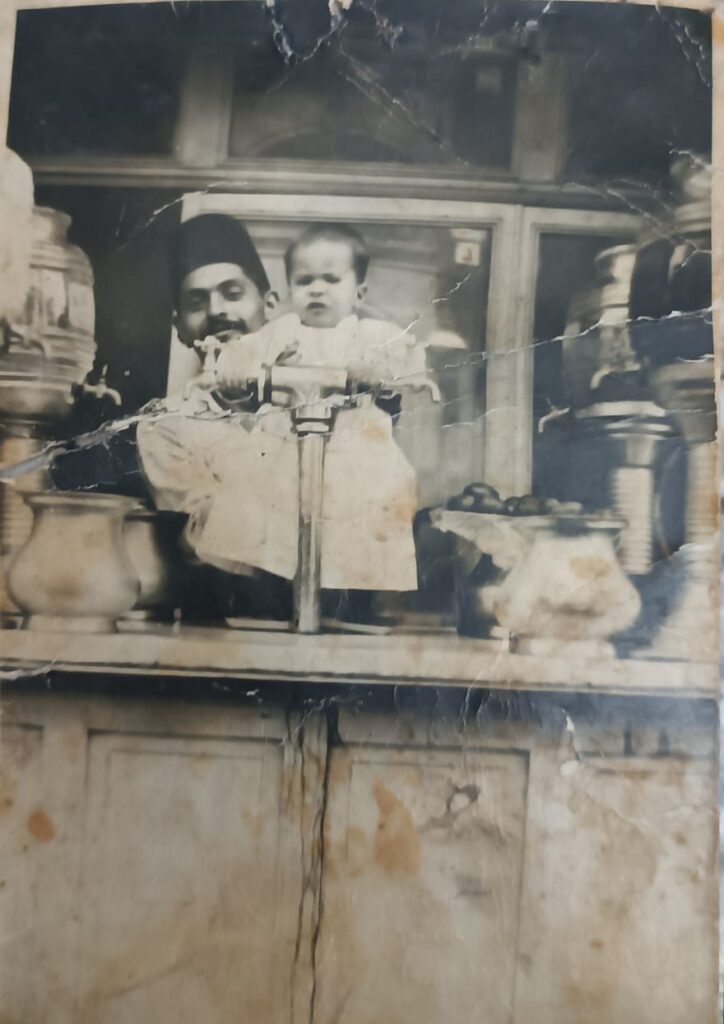
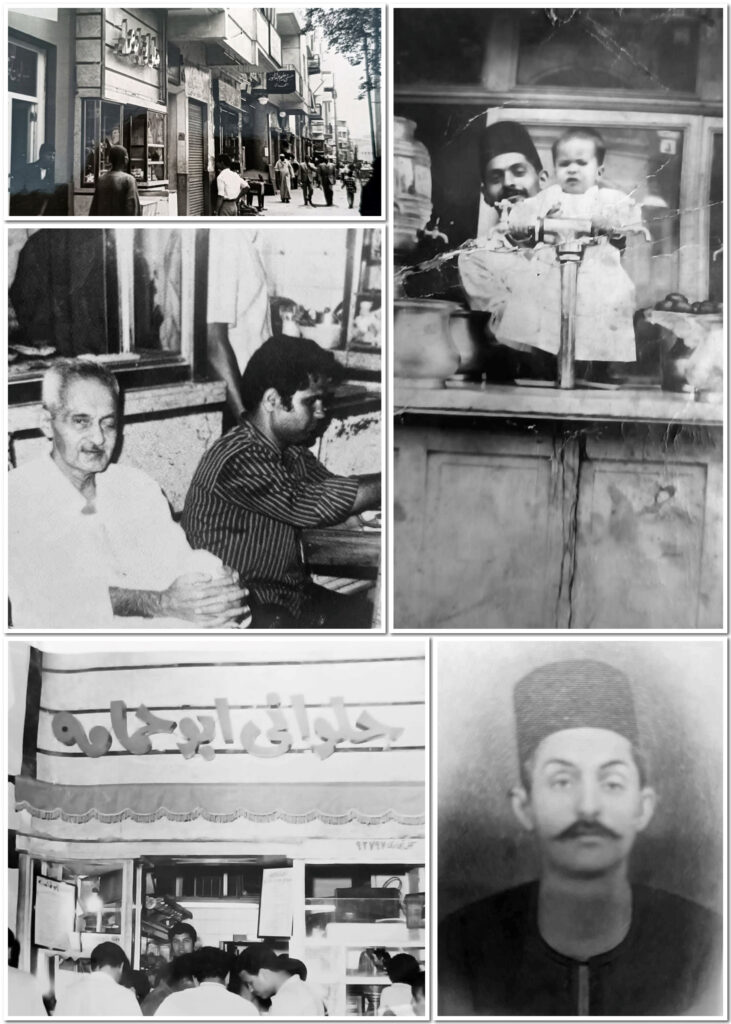
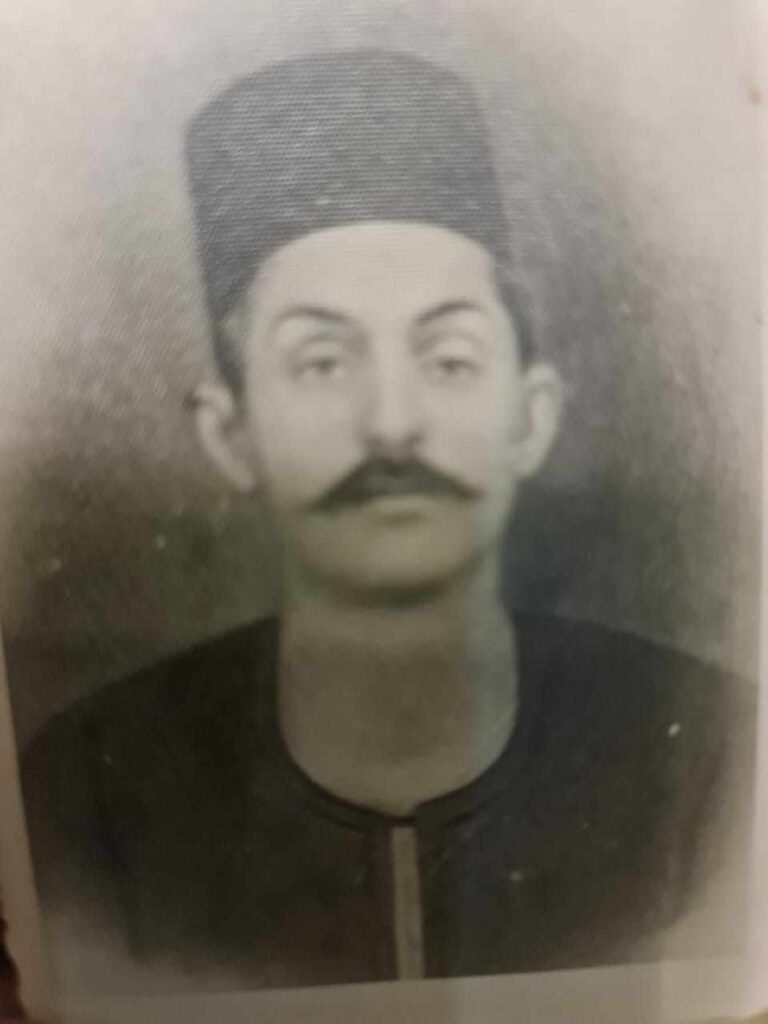
The business is not defined by names or faces, but by a collective familial entity where generations merge into one continuous force. The craft is inherited, not merely taught, and responsibility is shared across the family as a unified commitment to uphold a legacy. This sense of continuity has become a defining strength, allowing the brand to maintain both consistency and authenticity across decades.The enduring appeal of its basbousa lies in an unwavering dedication to craftsmanship and ingredient integrity.
The process is built on a triad: trusted suppliers who have provided raw materials for years, the owners who safeguard the vision, and the skilled workers whose hands carry the essence of the craft. There is a strict refusal to compromise on quality, particularly when it comes to the use of traditional clarified butter. Recipes have remained untouched, not out of resistance to innovation, but out of respect for a flavor that generations of customers have come to recognize and cherish.
In a competitive market, “Abu Hammama” adopts a notably inward-focused philosophy. Rather than engaging in rivalry, the business is driven by self-accountability and a constant pursuit of maintaining customer trust. Its identity is built on quiet confidence—an understanding that true distinction comes not from comparison, but from consistency.
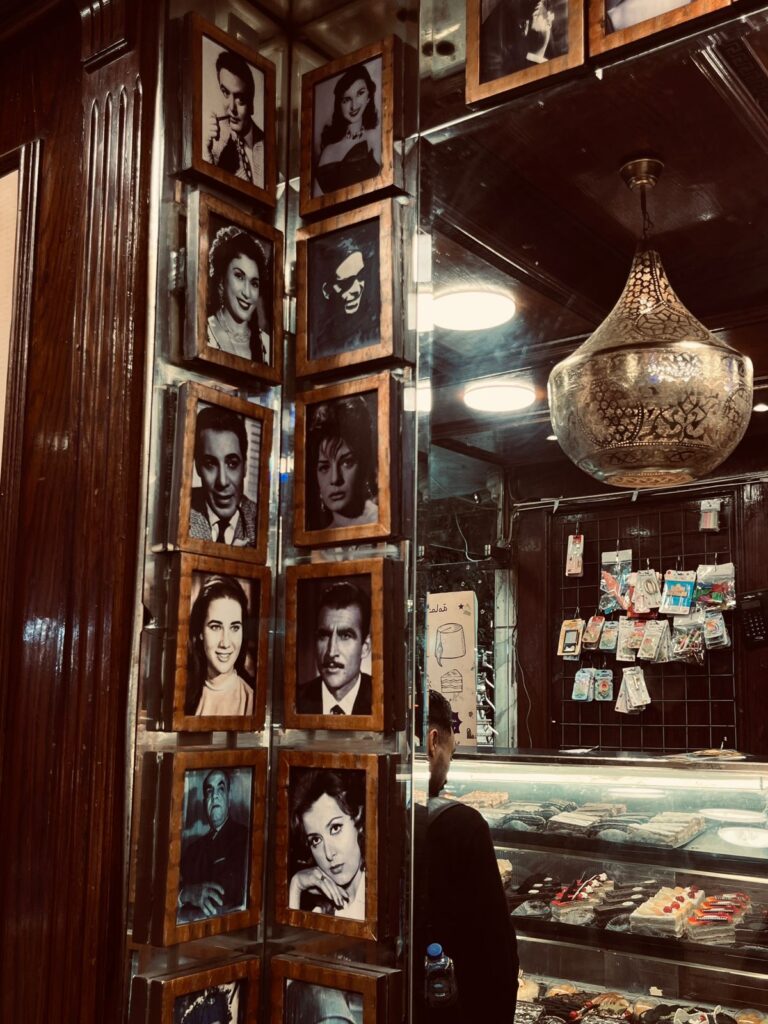
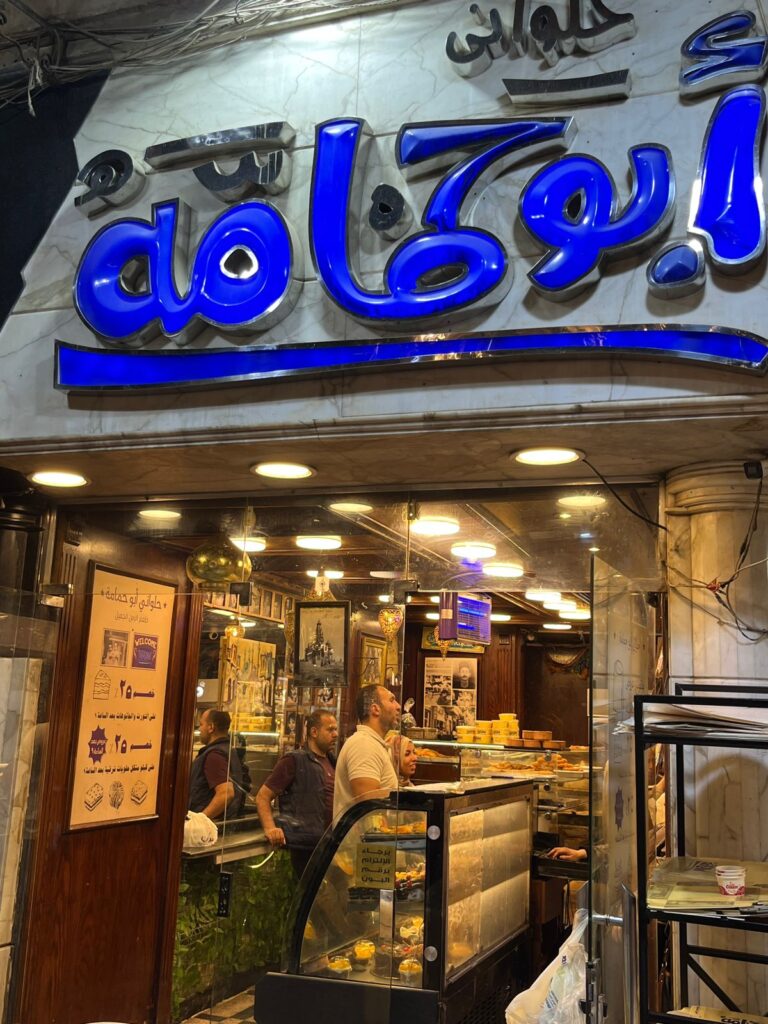
This approach reflects a broader appreciation of Egypt as a land of opportunity, where hard work and dedication can transform modest beginnings into enduring institutions.The shop’s interior, preserved largely in its 1990s form, is not an oversight but a deliberate choice. Every detail contributes to an immersive experience that blends taste with memory.
Customers do not come solely for dessert; they come for familiarity, for a sense of emotional continuity, and for a momentary return to a simpler time. In this way, the physical space becomes an extension of the product itself—both rooted in nostalgia and authenticity.Today, the greatest challenge facing “Abu Hammama” is not expansion or competition, but preservation. Maintaining the same level of quality and spirit in an era of rapid change requires discipline and vigilance.
A strict quality control system ensures that any variation in raw materials is immediately addressed, reflecting a deep sense of responsibility toward both the craft and the customer. Consistency, sustained over generations, remains the ultimate test—and the greatest achievement.Ultimately, “Abu Hammama” offers more than a culinary experience; it delivers a message.
It is a story about the enduring power of sincerity, the value of mastering one’s craft, and the strength found in generational unity. What began as a simple tray on the streets of Cairo has grown into an enduring symbol of Heliopolis, not by chasing trends, but by honoring tradition. In doing so, it stands as a reminder that authenticity, when rooted in passion and preserved with integrity, has the power to transcend time.

