

As Egypt continues to expand and modernize its higher education sector, King Salman International University (KSIU) has emerged as one of the country’s leading national universities, aiming to provide a modern educational model that combines advanced technology, practical training, and academic programs aligned with labor market needs.
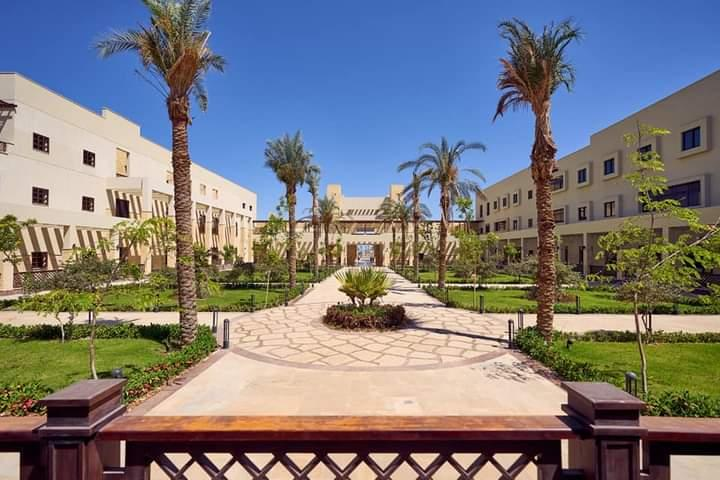
Located in South Sinai, the university operates across three main campuses in El Tor, Sharm El Sheikh, and Ras Sedr. Its presence across the governorate reflects a broader effort to support development in Sinai by investing in education and human capital.
Modern Education and Diverse Academic Programs
The university offers a wide range of academic programs covering medical sciences, engineering, technology, humanities, tourism, arts and design, agriculture, and other fields.
This diversity reflects an effort to provide students with academic specializations that respond to changing labor market demands, particularly in technology-driven sectors and emerging fields.
The university’s educational model also places emphasis on practical learning and professional training, enabling students to develop workplace skills alongside their academic knowledge.
Dr. Ashraf Hussein.. Leadership Driving King Salman International University Toward New Horizons
Dr. Ashraf Hussein, President of King Salman International University, stands out as one of the key figures contributing to the university’s development and strengthening its role as a modern higher education institution in South Sinai. Under his leadership, the university has continued to establish itself as a smart university that embraces modern technology and offers academic and professional programs designed to meet the needs of the local, regional, and international labor markets.
Statements by the university president reflect a clear vision focused on linking education with practical training, scientific research, and academic and industrial partnerships. The university has expanded its academic programs, signed cooperation protocols with academic and industrial institutions, and introduced programs offering dual degrees in cooperation with international universities. It has also placed strong emphasis on practical training, both on and off campus, to enhance students’ skills and prepare them for the labor market.
Development under Dr. Hussein’s leadership has not been limited to academic programs. The university has also embraced the concept of a smart university, integrating technology into education and campus management while giving considerable attention to student activities, community service, medical outreach campaigns, and sports, cultural, and artistic programs.
This development is part of the university’s broader role in supporting development in South Sinai. Dr. Ashraf Hussein has stated that the total cost of establishing the university’s three campuses reached approximately EGP 10.5 billion, reflecting the scale of investment in its educational and technological infrastructure and strengthening its ability to provide a modern educational experience that serves both students and the surrounding community.
Overall, Dr. Ashraf Hussein’s leadership has focused on combining technological infrastructure development, academic program modernization, stronger partnerships, and closer alignment between education and the labor market—key pillars that characterize the ongoing development of King Salman International University.
Three Campuses with Different Specializations
The El Tor campus offers programs in several medical, engineering, and technological disciplines. The Sharm El Sheikh campus focuses on fields including tourism and hospitality, languages, arts and design, physical therapy, and architecture.
Meanwhile, the Ras Sedr campus offers programs such as pharmacy, veterinary medicine, basic sciences, and desert agriculture. This range of disciplines reflects the university’s connection to the environmental and developmental needs of South Sinai.
Technology at the Heart of Education
King Salman International University embraces the concept of a smart campus and seeks to integrate modern technology into its educational environment and student services.
This approach reflects the wider transformation taking place in Egypt’s higher education sector, where universities are increasingly expected to provide more than traditional academic instruction. They are also expected to create environments that support learning, research, professional training, and digital skills development.
Bridging Education and the Labor Market
Preparing graduates for the labor market remains one of the most important challenges facing higher education institutions today.
Against this backdrop, the university places emphasis on professional development and practical training, while seeking opportunities for students to interact with various institutions and sectors.
This approach is becoming increasingly important as the nature of employment continues to evolve, with emerging fields such as artificial intelligence, programming, data analysis, biotechnology, and other technology-related disciplines gaining importance.
Education as Part of Sinai’s Development
The university’s significance extends beyond education. Its establishment in South Sinai forms part of a broader development strategy aimed at strengthening the region and providing access to modern educational institutions.
The presence of a university offering diverse academic programs can contribute to local development by preparing qualified professionals, encouraging students to pursue higher education within the governorate, and supporting key economic sectors such as tourism, technology, agriculture, and healthcare.
Challenges and Future Prospects
Despite the university’s modern facilities and diverse academic offerings, the success of its educational model will depend on its ability to continuously develop its programs, strengthen scientific research, expand academic and professional partnerships, and ensure that graduates acquire the skills required by an increasingly dynamic labor market.
Maintaining high standards of education and practical training will also remain essential to enhancing the university’s competitiveness and strengthening its position among Egypt’s higher education institutions.
Conclusion
King Salman International University represents a distinctive addition to Egypt’s higher education landscape, bringing together academic diversity, technology, practical training, and the development needs of South Sinai.
As Egypt’s higher education system continues to evolve, the university’s ability to translate its educational and technological resources into meaningful academic, research, and professional outcomes will remain the key measure of its success in the years ahead.

