



Cairo – Maii Abdo:
In the heart of Al-Ghouria—an ancient quarter of Cairo that feels like a living manuscript of history, where the echoes of narrow alleyways merge with the aromas of spices—stands a modest yet remarkable establishment: “Fosh Ibn Sayed for Clay Pots.”
To the casual passerby, it may appear to be just another bustling neighborhood eatery. But a closer look reveals a story far deeper than a simple commercial venture. It is the story of a lifetime: a journey that began with a nine-year-old boy, carried forward by a young man long before he became a business owner.
A journey shaped by ambition, responsibility, loss, resilience, and flavors that imprint themselves in memory far longer than they remain on the palate.The origins of this story precede Fouad himself, rooted in a family that passed down the craft of butchery from one generation to the next.
His father, a descendant of this professional lineage, was more than just an inheritor of a trade. He spent years working in Jordan, where self-reliance strengthened his character; he cooked with passion, not obligation, and possessed an artistic sensibility—an eye for décor, a talent for detail, and an unmistakable flair for culinary presentation.
Although a law graduate, he was, in his son’s eyes, an artist at heart.Upon returning to Egypt, he transformed that passion into a tangible legacy. In the 1990s, while Fouad was still a child, he founded “Fosh Ibn Sayed,” unknowingly planting the first seeds of what would become a defining chapter in his son’s life.


From that moment, the restaurant became more than a family business—it became the foundation of Fouad’s identity.Unlike most children his age, Fouad did not simply wander through the restaurant between playtime and homework. He observed carefully. He watched his father handle delicate cuts of meat, craft sauces with precision, and honor the profession as an extension of his character.
With time, the kitchen grew into the boy’s first school—one that taught him patience, craftsmanship, and the true weight of responsibility. He learned that cooking is not merely an act but an emotion: an effort to bring joy before sustenance.Years later, when Fouad enrolled in the Faculty of Law—mirroring his father’s academic path—life presented him with a profound loss that reshaped everything.
His father passed away during his first year at university, thrusting upon him the responsibility of supporting his mother, his sisters, and the restaurant. At an age when others were only beginning to understand adulthood, Fouad had no choice but to embody it.Despite the heavy burden, his passion did not waver. On the contrary, the loss deepened his determination to safeguard his father’s legacy.
He balanced university lectures with long hours at the restaurant, personally overseeing every step: inspecting meat deliveries, trimming and seasoning the cuts, preparing clay pots, and ensuring that every detail matched the standards his father had set. He worked not merely as a manager, but as a son committed to honoring a name he refused to let fade.Outside the restaurant, Fouad built another aspect of his character through sports.
He began bodybuilding at age fifteen and went on to become Cairo Under-21 Champion and Cairo University Champion. The discipline he developed through athletics became the discipline he applied to the business.


His day begins at 8 a.m. sharp, and his standards remain uncompromising: everything must be fresh, cooked daily, and free of shortcuts. No freezers, no reheating—only authentic preparation, as if cooking for family rather than customers.
Though his father laid the foundation, it was his mother who safeguarded it after his passing. She became the pillar of strength that kept both the household and the business upright. Fouad acknowledges this with humility:“My mother was my greatest supporter… without her, neither the restaurant nor our family would have survived.”
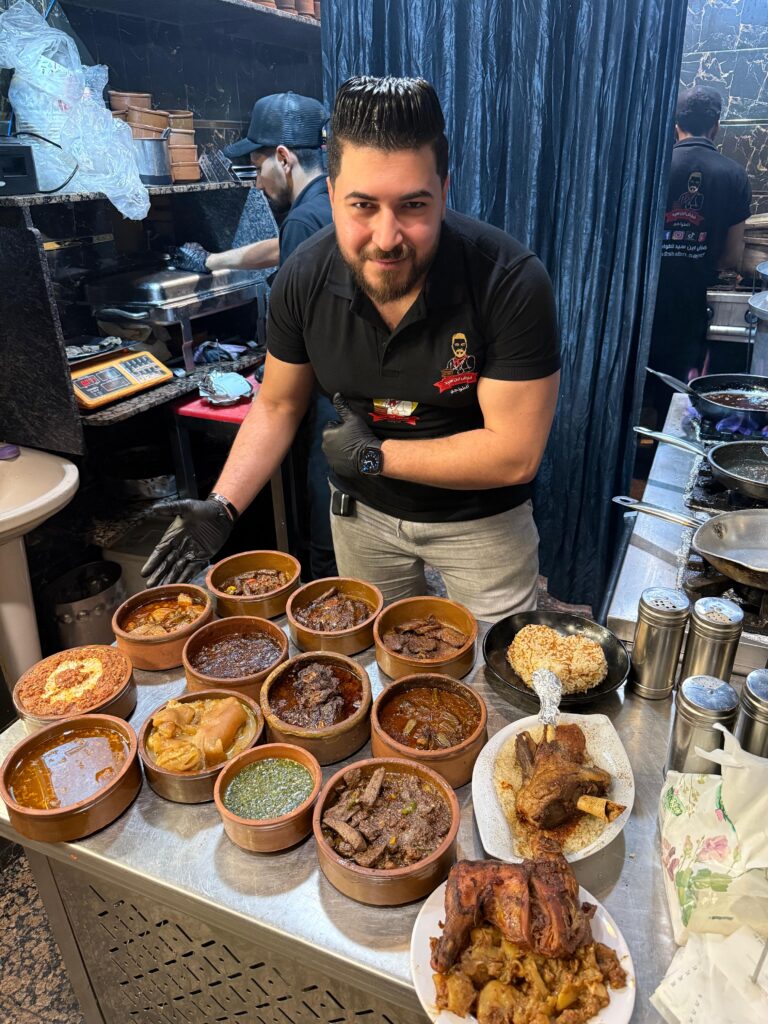
Over the years, “Fosh Ibn Sayed” has evolved into one of Al-Ghouria’s most renowned culinary landmarks. It remains a single-branch establishment to preserve the authenticity that defines it. Its charm lies in its simplicity: décor inspired by Old Cairo, clay pots prepared as they would be in traditional Egyptian homes, and meat cut fresh in front of customers as a gesture of honesty and transparency.
Only pure baladi ghee is used, the meat is always fresh Egyptian beef, and despite the high quality of ingredients, the prices remain competitive—because Fouad values people’s trust above profit.What sets Fouad apart is that despite owning a restaurant with a strong reputation, he still works hands-on every day.
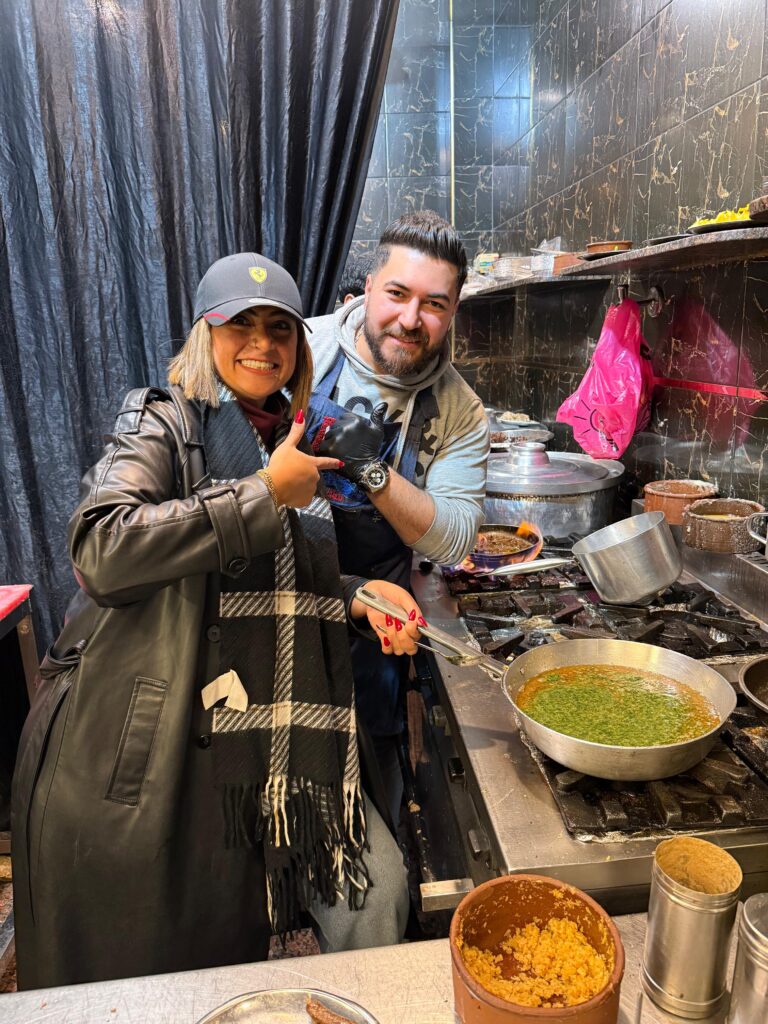
He stands over the stoves, adjusts flavors, develops new recipes, and preserves the craft with the same passion he inherited as a child. To him, the restaurant is not a place that simply sells food—it is a place that conveys a sense of home, identity, and memory. Every clay pot, he says, must have “a soul.”
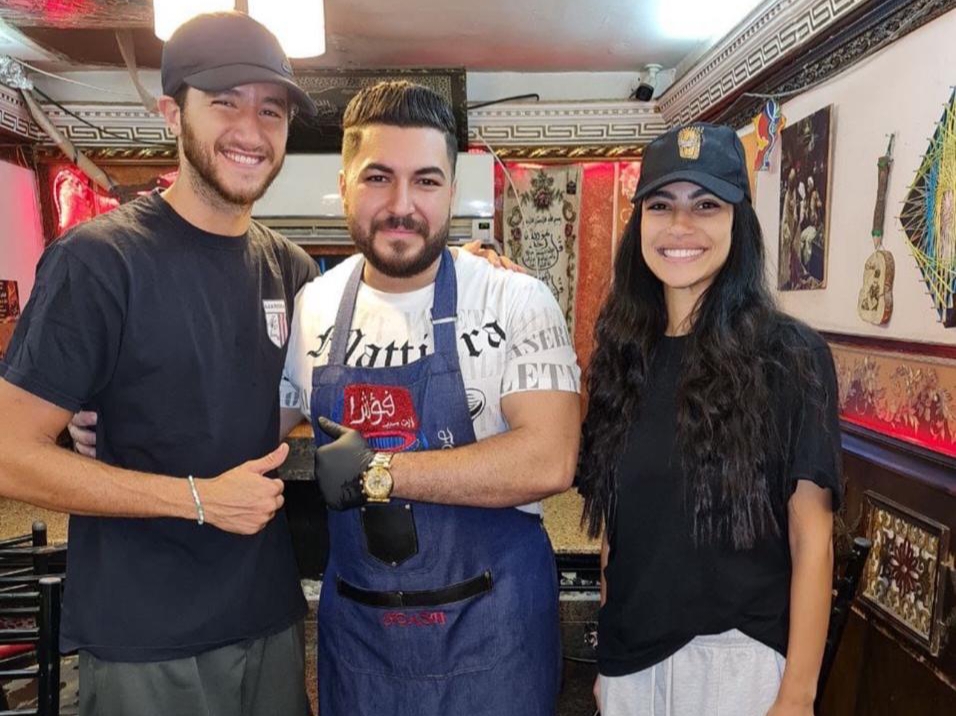
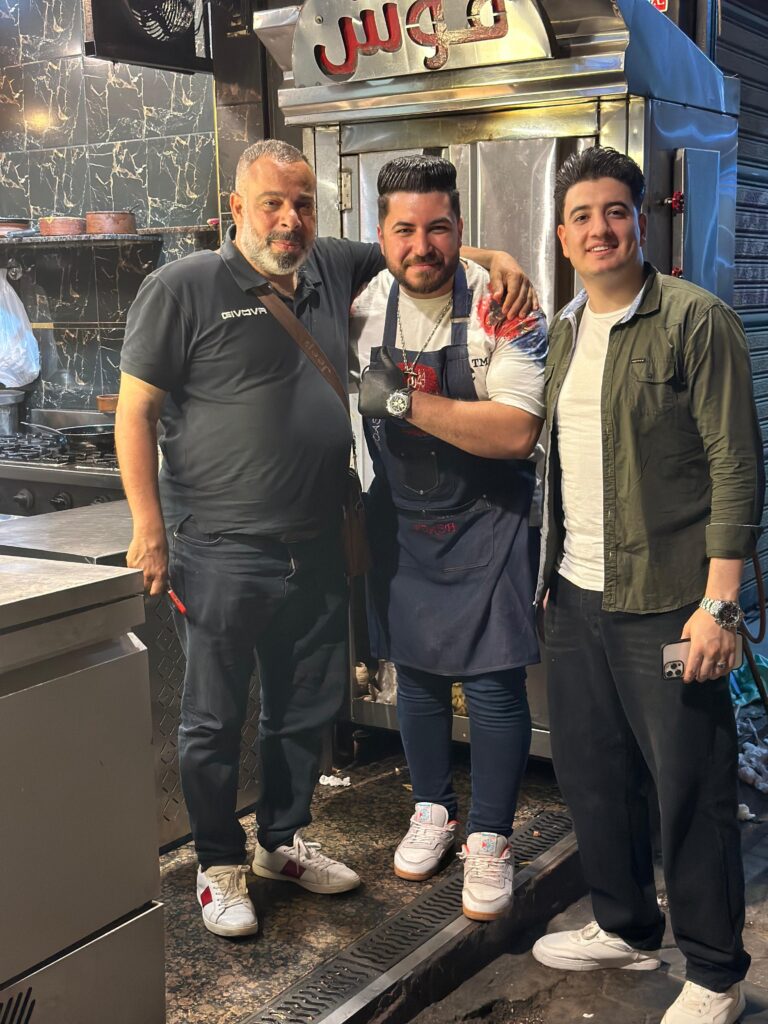
Today, Fosh attracts a diverse clientele: longtime residents who see it as part of their family history, food lovers from across Cairo seeking old-world flavors, and even public figures and influencers who visit not only for the food but for the experience.
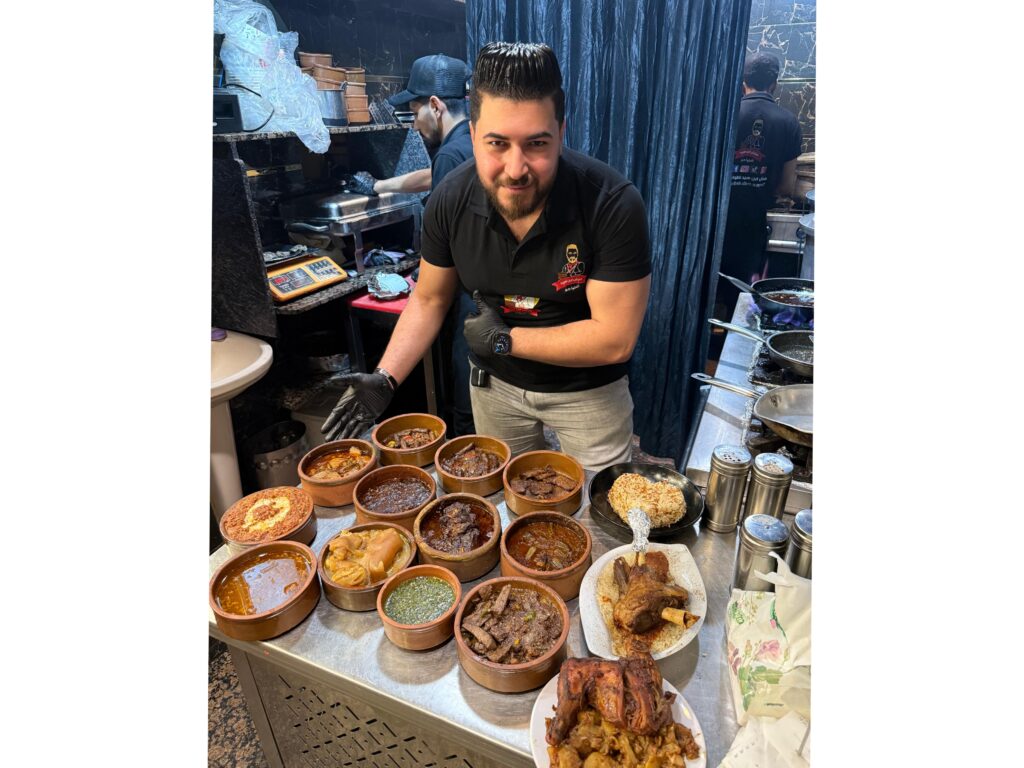
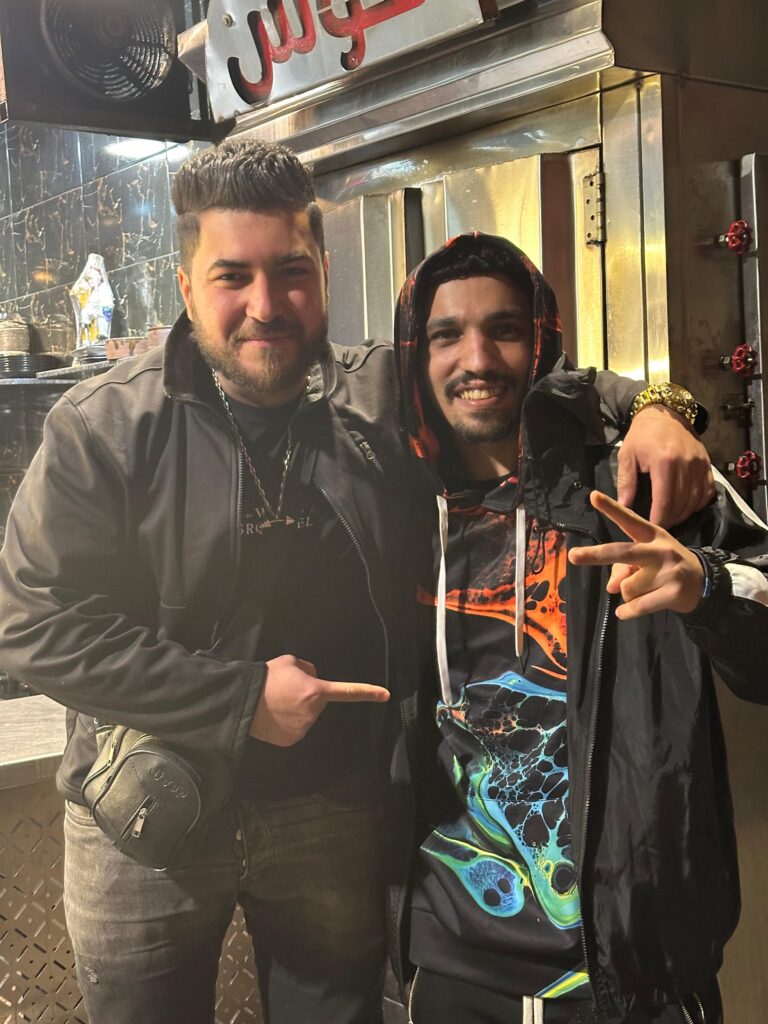
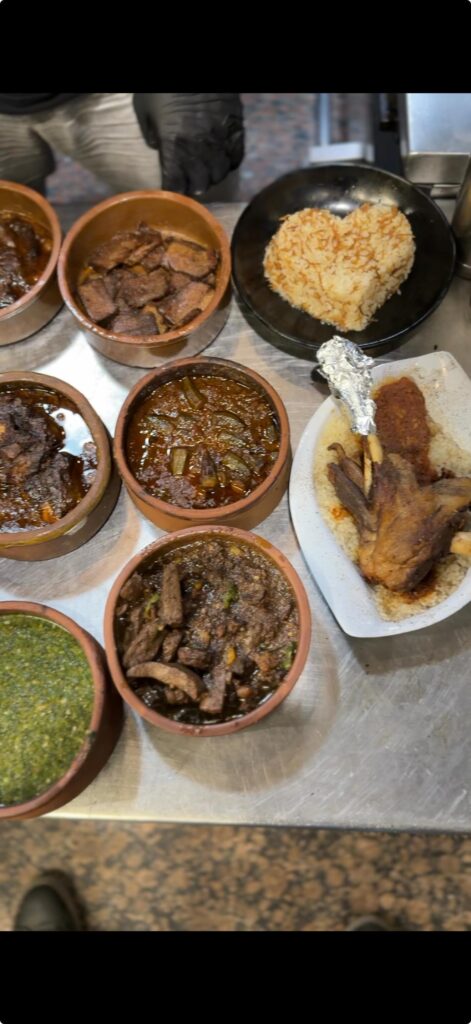


The restaurant has become a culinary landmark where tradition meets authenticity, and where visitors know they are eating dishes prepared fresh each day with care, integrity, and the personal touch of Fouad himself.
Regular customers return several times a week. Some visit specifically to watch the preparation process—how the meat is trimmed, seasoned, and cooked in front of them—creating a rare bond of trust between the owner and those he serves. As for celebrities, their frequent visits have helped solidify the restaurant’s reputation as a distinct icon in the world of Egyptian clay pots.
At its core, Fosh represents much more than a dining experience. It is a testament to trust, honesty, and consistency. Every clay pot that leaves Fouad’s kitchen carries a promise of quality—a promise he has never once compromised.
As the conversation came to an end, Fouad left me with a line that could well summarize his entire professional philosophy:“For me, quality always comes before profit… and integrity comes before everything else.”And upon leaving, it became evident that this story is not simply about a restaurant owner.
It is about a lineage of passion: a father who loved flavor, a son who carried the dream, a mother who held the family together, and a place that preserves the spirit of Al-Ghouria within its walls. Fosh stands today as living proof that true legacy is sustained not by name alone—but by quality, sincerity, and a man’s unwavering commitment to honoring what he inherited.

