


The “Phosphorus Emperor”… The Story of “El-Khouly Fesakhani” from Kafr El-Sheikh Barrels to Elite Tables


Cairo – Mostafa El Masry:
In a world where crafts are passed down like values, and professions are preserved with the same dignity as honor itself, the name “El-Khouly Fesakhani”—led by brothers Hany and Mohamed El-Khouly—emerges as one of the most distinguished models that has redefined the art of feseekh making.
No longer merely a seasonal trade, it has been elevated into a fully-fledged craft built on expertise, integrity, and a level of cleanliness that approaches perfection.This is not an ordinary shop; it is a complete experience, often described by customers as entering a “sanitary sanctuary.”
The pungent odors typically associated with this trade are replaced by something far more valuable—trust that cannot be bought, and a reputation built over years of dedication and hard work.
“El-Khouly Fesakhani” is not just a prominent name in a crowded market; it is the story of a family legacy rooted in tradition, upheld with unwavering commitment in a time when many standards have shifted.

Every detail within the establishment—from the careful selection of fresh fish to the precise salting techniques, from customer service to the commitment to delivering a product that satisfies both conscience and taste—reflects a clear philosophy: quality is not an option, it is an obligation.
True success is not measured by the number of branches or social media noise, but by the ability to earn and maintain people’s trust.
Through this principle, Hany and Mohamed El-Khouly have secured a distinguished position among Egypt’s top feseekh artisans, guided by a simple yet powerful belief: “Good food always finds its way back to its maker.”
From Cairo to various governorates, and even to tourist destinations such as Sharm El-Sheikh, the name continues to travel, carrying with it the same quality and spirit—proving that a good reputation can journey faster than any means of transportation.
This success has not only resonated with customers but has also attracted public figures. Among the most recent visitors was Khamis, son of the late Egyptian singer Shaaban Abdel Rahim, who expressed his admiration in his own unique way by dedicating a song celebrating the quality and spirit of the establishment.

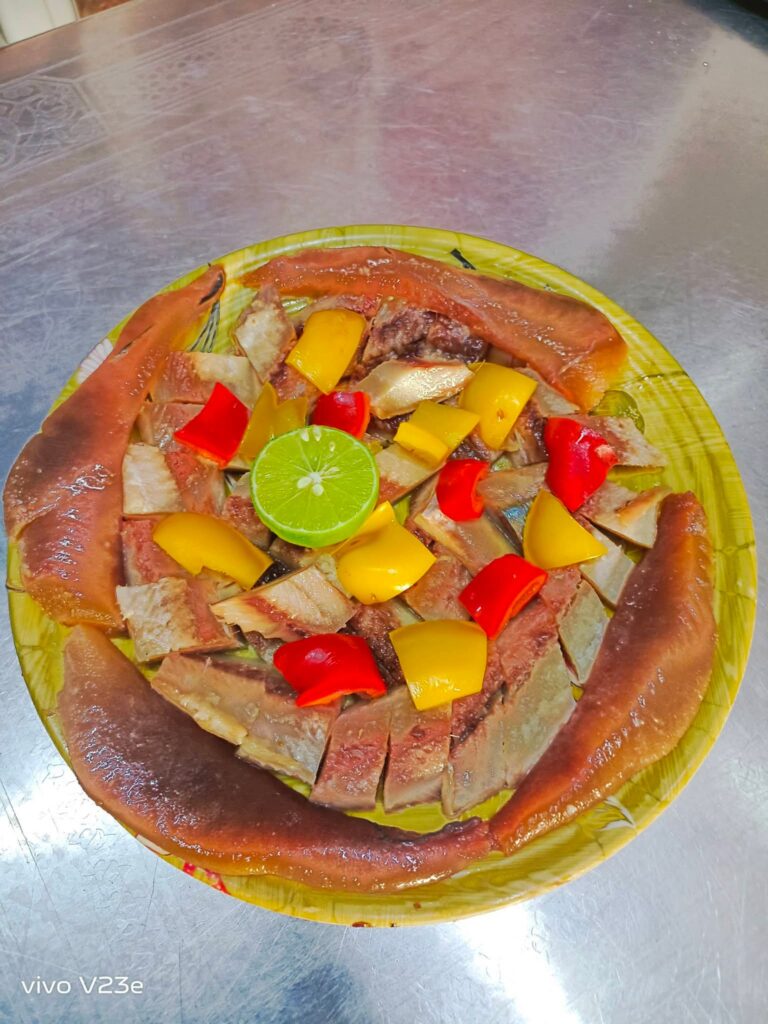
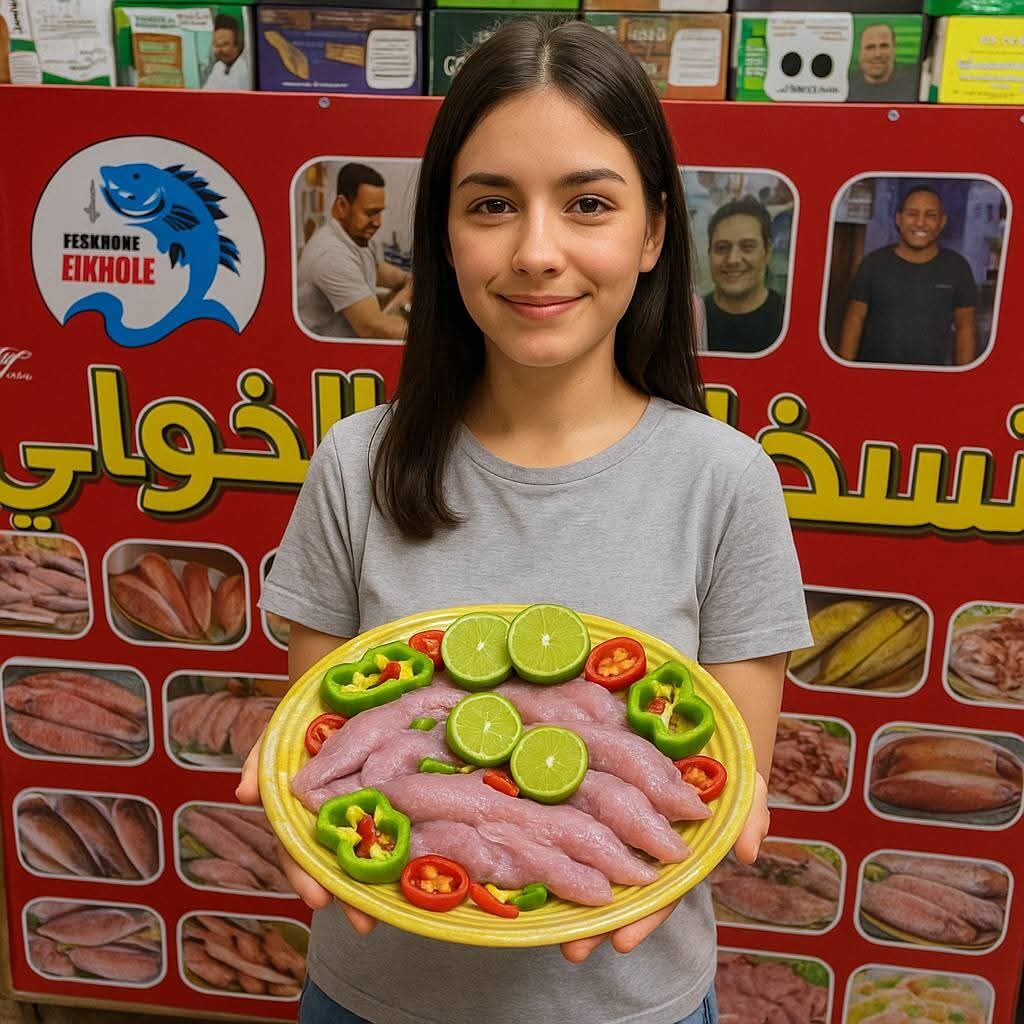
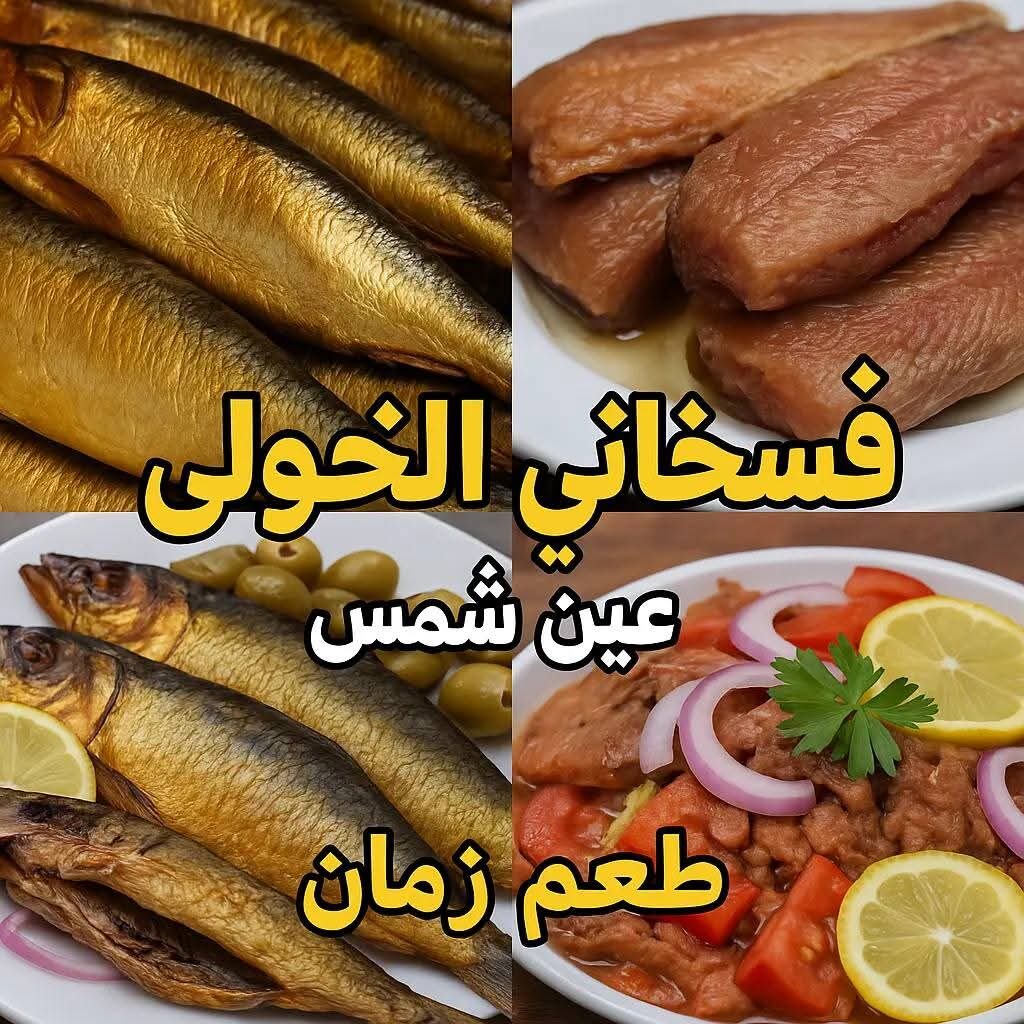
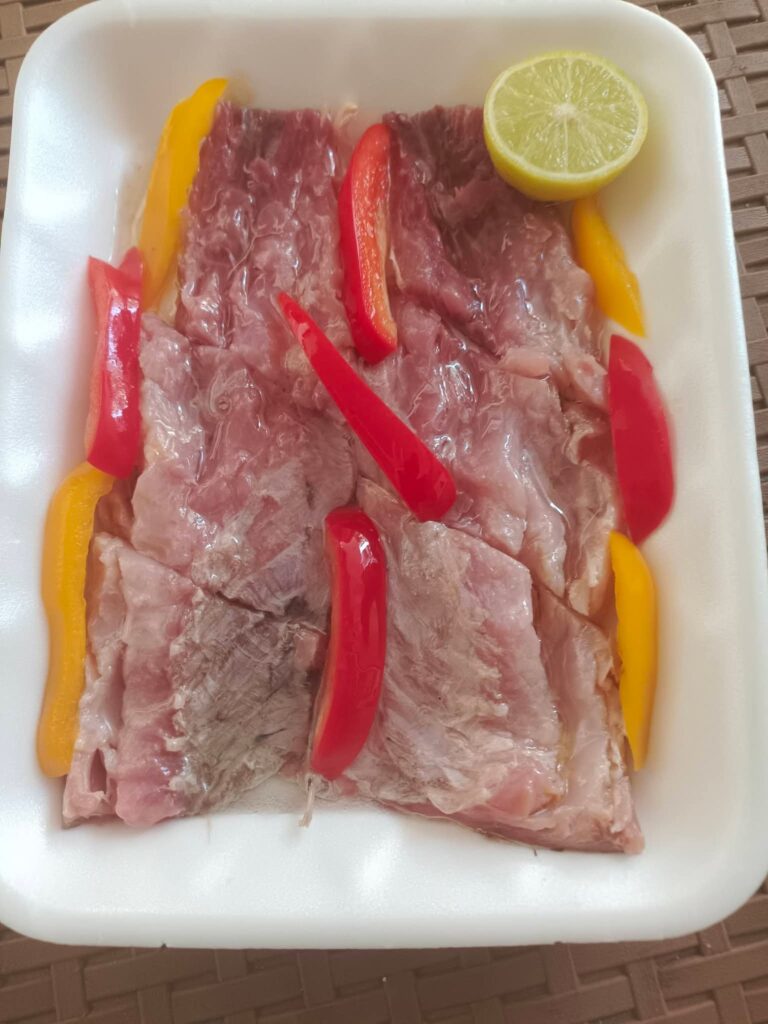
In this interview, we take a closer look at the behind-the-scenes of the craft, uncover the secrets of success, and explore how a traditional trade transforms into a trusted brand—and how the true difference is made between being merely a vendor and becoming a name of distinction.
How did your journey with the feseekh trade begin?
This craft is a family heritage passed down through generations. It dates back to our ancestors in Kafr El-Sheikh, and we have continued it from one generation to the next.
We started working at a very young age, growing up in the marketplace and learning everything hands-on. It’s not just a job—it’s a way of life.What is the most important factor in producing high-quality feseekh?First and foremost, cleanliness—before anything else.
Secondly, selecting the right fish, which must be extremely fresh and never stored on ice. It must be salted on the same day. Every small detail makes a difference in quality.
Why do you insist on handling the salting process yourselves instead of using ready-made products?
Because this way we guarantee the final product. When we do it ourselves, we achieve exactly the quality we aim for. Pre-prepared products are unreliable and could damage our reputation.
Why do many people fail when trying to make feseekh at home?
Because it’s not as simple as people think. The fish must be of a specific type and extremely fresh, and the salting process itself is a craft. Otherwise, the result may have an unpleasant smell or an unsatisfactory taste.
What is the secret behind your shop having no strong odor like other feseekh shops?
Continuous cleanliness. We clean the shop five to six times a day, and the salting process is done in a separate area. Customers feel they are entering a clean environment, not a fish shop.
Do you deliver orders to other governorates?
Yes, of course. We ship to Menoufia, Sharqia, Alexandria, and even to destinations like Sharm El-Sheikh. Orders are carefully prepared and sent through shipping companies, with customers able to track them directly.


What is your opinion on the “feseekh jar” trend?
In many cases, it’s used to dispose of older stock. We prefer customers to see the product being prepared in front of them, ensuring full confidence in what they are buying.
How do you treat with customers?
With honesty and transparency. If a product is not up to standard, we simply do not sell it. Even if a smoked herring falls on the ground, it will never be offered for sale. Integrity is what earns customer trust.
Should customers taste before buying?
Absolutely. We encourage customers to taste the product themselves. If they like it, they will naturally come back again.
What are the differences between types of smoked herring?
There are several types—Russian and Norwegian, for example—but the highest quality is Dutch. The smoking method and type of wood used also significantly affect the flavor.
How do you view competition in the market?
There is room for everyone. However, those who succeed in the long term are those who maintain quality and integrity. Not every shop that opens will succeed.
Why do you avoid rapid expansion and opening multiple branches?
Rushing expansion can compromise quality. It is important to choose the right location and build a strong name first. Success is not measured by the number of branches, but by trust.
What advice would you give to someone entering this field?
They must truly love the craft. Without passion, success is unlikely. This is not just a business—it is a profession that requires patience, effort, and integrity.
Is social media important to your success?
It can help, but it is not the foundation. The real driver of success is customer experience and word-of-mouth. Reputation is the strongest form of advertising.
What principle guides your work?
Put yourself in the customer’s place. If you wouldn’t accept the product yourself, don’t offer it to others. When you work with integrity, success will follow.

